Room 202-3, Building 30, No. 220 Xianggong Road, Xiangzhou District, Zhuhai City
08.00 AM-09.00 PM
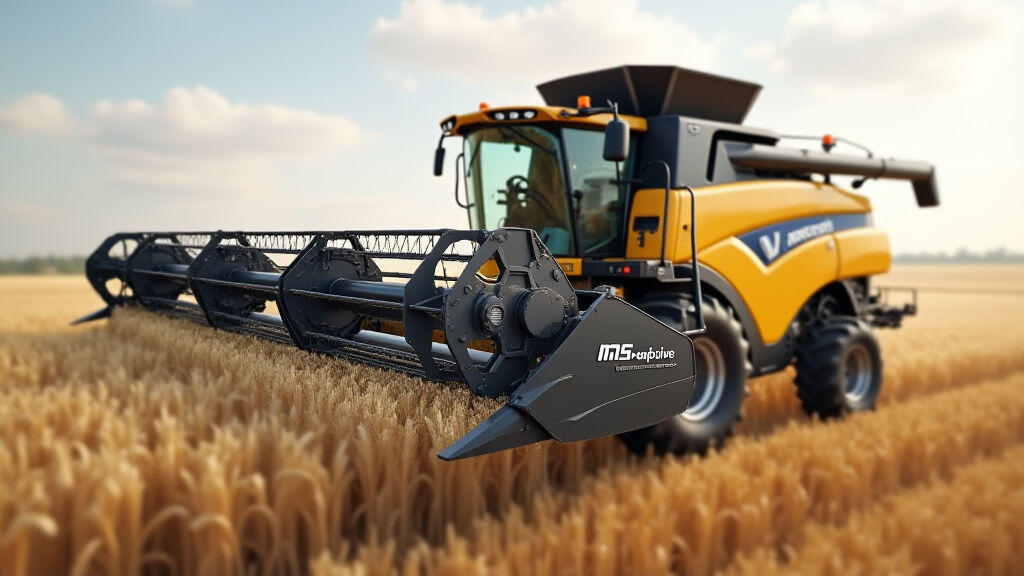
Agriculture is undergoing a rapid transformation fueled by technological advancements. Precision farming, automation, and increased efficiency are no longer futuristic concepts but essential requirements for modern agricultural operations. At the heart of many of these advancements lies the reliable and efficient operation of machinery, and a critical component contributing to this is the gear motor. Understanding the principles of gear motors, their selection, and the calculation methods involved is paramount for optimizing agricultural equipment performance and reducing operational costs. This article delves into the key considerations for selecting gear motors for agricultural applications and outlines the necessary calculation methods, highlighting the role of innovative solutions like those offered by MES-Drive. We will also touch upon the increasing importance of energy efficiency in light of recent global energy discussions.
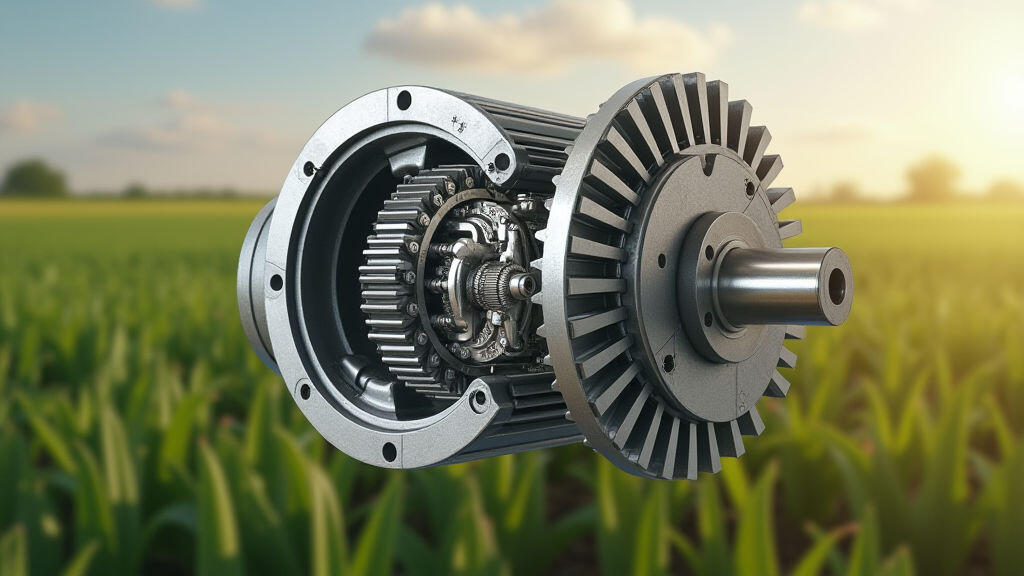
Gear motors are electromechanical devices that combine the functions of an electric motor and a gearbox. This combination provides a significant advantage in agricultural machinery: high torque at relatively low speeds. Agricultural tasks such as seed planting, spraying, harvesting, and material handling often require substantial torque to overcome resistance, especially when dealing with soil, crops, and heavy loads. Standard electric motors often lack the necessary torque, necessitating the use of gear reduction.
The benefits of using gear motors in agricultural applications are numerous:
Selecting the right gear motor for a specific agricultural application requires careful consideration of several key factors:
Torque Requirements: This is the most critical factor. A detailed analysis of the load characteristics – including static torque (for starting and holding loads) and dynamic torque (for operating loads) – is essential. Factors like soil density (for plowing or tilling), load weight (for conveyors or harvesters), and friction coefficients need to be considered. Oversizing the motor can lead to inefficiencies, while undersizing results in performance issues and potential damage. Modern agricultural machinery is becoming increasingly heavier, particularly in areas like combine harvesters. Therefore, accurate torque assessment is more important than ever.
Speed Requirements: Determining the required operating speed is crucial. This depends on the task being performed – e.g., a slow speed may be sufficient for material handling, while a higher speed is needed for some harvesting mechanisms. The speed should be compatible with the machine’s design and control system.
Power Requirements: Power (measured in Watts or horsepower) is directly related to both torque and speed. It can be calculated using the formula: Power = Torque x Speed (in radians per second). Understanding the power availability from the power source (e.g., a tractor’s electrical system) is essential to avoid overloading the system.
Duty Cycle: The duty cycle refers to the percentage of time the motor is expected to operate within a given period. Agricultural machinery often operates for extended periods, making a motor with a high duty cycle capability necessary. Continuous operation scenarios require motors with robust cooling systems to prevent overheating.
Environmental Conditions: Agricultural environments can be harsh, with exposure to dust, moisture, extreme temperatures, and vibrations. The gear motor must be designed to withstand these conditions. IP (Ingress Protection) ratings are crucial to ensure adequate protection against dust and water ingress.
Gear Ratio: The gear ratio determines the relationship between the input and output speeds and torques. A higher gear ratio provides greater torque multiplication but reduces speed. The optimal gear ratio depends on the specific application requirements.
Efficiency: Energy costs are constantly increasing, making efficient gear motors vital for reducing operational expenses. Consider the motor's efficiency rating and choose a model with a high efficiency, especially for machines with long operating hours.
Several calculation methods are used to determine the appropriate gear motor for a specific agricultural application.
1. Torque Calculation:
This involves a detailed analysis of the applied loads and friction forces.
2. Speed Calculation:
The required output speed is determined by the machine's design and operating parameters. This needs to be considered along with the required torque.
3. Power Calculation:
Using the formula mentioned earlier, Power = Torque x Speed. This power value is compared with the power available from the electrical system.
4. Gear Ratio Selection:
The required gear ratio is determined by dividing the output speed by the input speed. The optimal gear ratio is usually chosen considering the desired torque and speed characteristics
With increasing concerns about climate change and energy security, energy efficiency is becoming a paramount consideration in agricultural machinery. MES-Drive offers a range of high-efficiency gear motors designed to minimize energy consumption. These motors incorporate advanced materials, optimized designs, and intelligent control systems to maximize efficiency.
The rise of electric tractors and automated farming equipment is further driving the demand for efficient gear motors. Furthermore, the development of smart agriculture technologies, leveraging IoT and data analytics, will require gear motors with precise control capabilities and seamless integration with other system components.
The selection of gear motors for agricultural machinery is a complex process that requires a thorough understanding of the application requirements and the principles of gear motor operation. By carefully considering factors such as torque, speed, power, duty cycle, and environmental conditions, and by utilizing appropriate calculation methods, farmers and equipment manufacturers can optimize machine performance, reduce energy consumption, and improve overall efficiency. MES-Drive is committed to providing innovative and high-performance gear motor solutions that meet the evolving needs of the agricultural industry. As the sector embraces advanced technologies and sustainable practices, the importance of efficient and reliable gear motors will only continue to grow. The increasing demand for precision agriculture, coupled with a growing focus on energy conservation, positions MES-Drive as a key partner in driving the future of agricultural machinery.

Leave A Reply
Your email address will not be published. Required fiels are marked